 https://ogs-main.s3.us-west-1.amazonaws.com/wp-content/uploads/PS-50th-RSVP-ASAP.jpg
571
800
Ollie
https://ogs-main.s3.us-west-1.amazonaws.com/wp-content/uploads/Oak-Grove-School_50th-logo.png
Ollie2026-03-06 05:24:252026-03-06 05:25:5250th Anniversary Weekend RSVP
https://ogs-main.s3.us-west-1.amazonaws.com/wp-content/uploads/PS-50th-RSVP-ASAP.jpg
571
800
Ollie
https://ogs-main.s3.us-west-1.amazonaws.com/wp-content/uploads/Oak-Grove-School_50th-logo.png
Ollie2026-03-06 05:24:252026-03-06 05:25:5250th Anniversary Weekend RSVPOur staff meets together monthly in a workshop series called “The Oak Grove Approach” to explore topics that lie at the heart of an Oak Grove education.
This month we reflected on “How to Initiate Difficult Conversations,” on creating psychological safety when we encounter differences. We were invited to think about ways in which difficult conversations are opportunities for reparative growth experiences, which, rather than alienating us from each other, can lead to greater intimacy.
Avoiding conversations often creates more harm than having them. Sometimes describing our needs or asking for a change feels harder than simply continuing to feel uncomfortable. Many of us don’t struggle with knowing that a difficult conversation needs to happen, but with beginning it.
Difficult conversations are often the moment when a relationship deepens.
When we view difficult conversations not as confrontations but as creating an atmosphere in which it’s safe to disagree and hash things out, we practice active listening, repairing injustice, and taking responsibility for building a community of belonging and respect.
A Relationship-based Community
Oak Grove is a “relationship-based” community. Knowing that conflict is inevitable, our intention is to approach differences directly, with clarity and empathy. Difficult conversations are often the moment when a relationship deepens.
What changes in a conversation when the goal is understanding, rather than correcting?
Beginning Hard Conversations
We shared opportunities we’re presented with for beginning hard conversations – with our families, students, colleagues, parenting adults – often arising from our diverse identities. Thoughtfully exploring our history with problematic conversations pointed out learned ways of communicating. What are the old patterns we revert to? In our family of origin, what was the culture around conflict – was there avoidance, honesty? We may not be aware of the assumptions we hold until we bump up against different beliefs and react with, “What’s wrong with you?”
When there is harm happening, we must stop it in that moment and jump into clear, courageous dialogue.
We revert back to our “learned patterns” – like blaming, gossiping, labeling, anger or hurt – and to learned societal roles – like “trouble-maker” or “peace-maker.” We might fear hurting someone; feel uncertainty about how this will land; we may want to preserve harmony and not make waves. Often it’s not a choice whether to respond immediately. When there is harm happening, we must stop it in that moment and jump into clear, courageous dialogue.
When we think about troublesome conversations, we often focus on verbal language. Studies on “Interpersonal Synchrony” show that bodily movements, facial expressions, and physiological states naturally align during interaction, with the potential to boost rapport, empathy, and cooperation.
Self Awareness
Dan Siegel’s “Window of Tolerance” is a lens for self-awareness. When we’re in our window of tolerance, we feel we can deal with whatever’s happening in our lives. We might feel stress or pressure, but it doesn’t bother us much. This is the ideal place to be. When stress or trauma shrinks our window of tolerance, it doesn’t take much to throw us off balance into one of two states:
- Hyperarousal: anxious, angry, out of control, overwhelmed. Our body wants to fight or run away.
- Hypoarousal: spacy, zoned out, numb, frozen. Our body wants to shut down.
This is not something we choose – these reactions just take over.
Because our physical reactions inform emotional reactions, we explored where we land on the window of tolerance when we become dysregulated. In small groups, we engaged with concrete tools for holding hard conversations, sharing insights around giving ourselves grace to make mistakes and learning to recover if the conversation goes poorly. Difficult conversations are malleable, without a predictable outcome, and not all disagreements are resolved in one conversation.
Conflict Resolution
Our conflict resolution protocol at Oak Grove asks that we speak directly to the person with whom we have a conflict and speak from what we actually observe without judgment or conclusions. In Krishnamurti’s words, we strive to see “what is” without distortion. Just as we ask students to listen to each other to understand a different point of view and invite mutual problem-solving to repair relationships, we practice this as adults. The goal is to restore the relationship through asking: Who has been harmed, and how can that be repaired?
Healthy communities aren’t free of conflict. They’re communities where people have the courage and clarity to speak honestly and listen deeply. This is how relationships deepen and how a community lessens and repairs harm.
“Communication is not only the exchange of words, however articulate and clear those words may be; it is much deeper than that. Communication is learning from each other, understanding each other; and this comes to an end when you have taken a definite stand about some trivial or not fully thought-out act.”
– Krishnamurti, “Letters to the Schools”
Recent Blog Posts:
https://ogs-main.s3.us-west-1.amazonaws.com/wp-content/uploads/PS-50th-RSVP-ASAP.jpg
571
800
Ollie
https://ogs-main.s3.us-west-1.amazonaws.com/wp-content/uploads/Oak-Grove-School_50th-logo.png
Ollie2026-03-06 05:24:252026-03-06 05:25:5250th Anniversary Weekend RSVP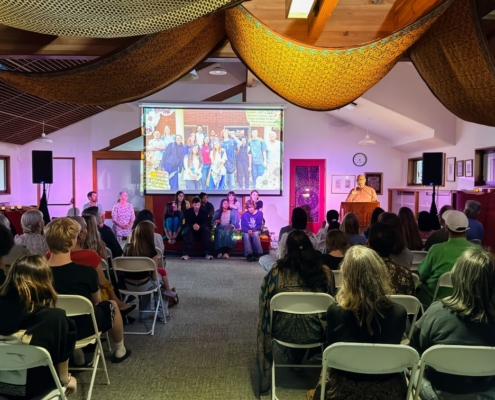 https://ogs-main.s3.us-west-1.amazonaws.com/wp-content/uploads/India-Night-2026_gallery_7.jpg
756
1344
Ollie
https://ogs-main.s3.us-west-1.amazonaws.com/wp-content/uploads/Oak-Grove-School_50th-logo.png
Ollie2026-02-27 14:49:112026-03-06 05:33:07India Night 2026
https://ogs-main.s3.us-west-1.amazonaws.com/wp-content/uploads/India-Night-2026_gallery_7.jpg
756
1344
Ollie
https://ogs-main.s3.us-west-1.amazonaws.com/wp-content/uploads/Oak-Grove-School_50th-logo.png
Ollie2026-02-27 14:49:112026-03-06 05:33:07India Night 2026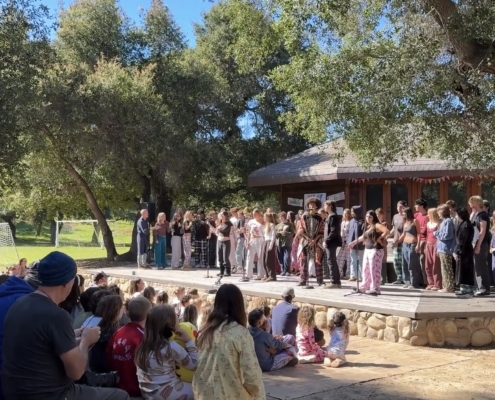 https://ogs-main.s3.us-west-1.amazonaws.com/wp-content/uploads/DOR-assembly2026.jpeg
1036
1856
Ollie
https://ogs-main.s3.us-west-1.amazonaws.com/wp-content/uploads/Oak-Grove-School_50th-logo.png
Ollie2026-02-20 00:16:162026-02-20 11:38:18Day of Reading Puts the FUN in Fundraising!
https://ogs-main.s3.us-west-1.amazonaws.com/wp-content/uploads/DOR-assembly2026.jpeg
1036
1856
Ollie
https://ogs-main.s3.us-west-1.amazonaws.com/wp-content/uploads/Oak-Grove-School_50th-logo.png
Ollie2026-02-20 00:16:162026-02-20 11:38:18Day of Reading Puts the FUN in Fundraising!Latest News
 As Our Circle GrowsApril 28, 2026 - 2:07 pm
 Trust in Human ConsciousnessApril 28, 2026 - 1:08 pm
 Difficult ConversationsApril 26, 2026 - 10:30 pm
 The Art of Living & LearningApril 19, 2026 - 5:08 pm
 A Visit Through Fresh EyesMarch 26, 2026 - 5:39 pm
To all of our students, alumni, parents, friends, and neighbors who joined us to celebrate 50 years of Oak Grove School, thank you.
It was a weekend filled with music, hugs, dancing, laughter, stories, and memories. Most of all, it was a beautiful reminder of the people and joy that have shaped our school across generations.
Thank you for being part of this remarkable community, and for helping us celebrate 50 years of living and learning together.

Join us for the High School Spring Showcase tomorrow, Friday, May 22nd. The event begins at 3:15pm near the Art Building with visual & culinary arts, and moves to the Pavilion for performing arts.
#showcase #ojaicalifornia #oakgroveschoolojai #highschool #theartoflivingandlearning #music #dance #poetry #visualart #cooking
Special guests joining us for this weekend`s 50th Anniversary Celebrations. ❤️🎉
#goated #50yearsofoakgrove #brushclearing #fourleggedfriends
THE MEASURES shredded it up tonight @ojaiunderground !! ❤️🎶❤️🎶🎉
#honorband #springconcert #highschoolband #theartoflivingandrocking #oakgroveschoolojai
2 days ago