MLK Day 2025
Building a Beloved Community
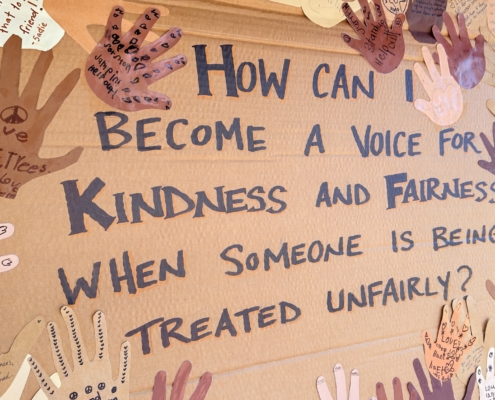
For Dr. Martin Luther King Jr., nonviolence was not passive or polite. It was a demanding way of life, rooted in a fierce commitment to the dignity and humanity of all people, including one’s perceived or real opponents. Love, as King understood it, was not sentimentality; it was disciplined, courageous, and active. It required choosing relationship over retaliation, truth over convenience, and justice over comfort.
While Dr. King’s leadership matters deeply, MLK Day is not meant to enshrine a single hero. Movements are carried forward by many hands and many hearts. This day asks us not simply to remember a man, but to remember a way of living and responding to the world. It is a reminder that the work of justice is collective, unfinished, and alive.
On August 28, 1963, standing before nearly 250,000 people at the Lincoln Memorial, King spoke of “the fierce urgency of now.” He warned against the “tranquilizing drug of gradualism” and insisted that democracy’s promises could not be endlessly deferred. Two years later, he sharpened that call: tomorrow is today. History, he reminded us, does not pause. There is such a thing as being too late.
More than half a century later, those words still land with unsettling clarity. Despite real progress in laws and legislation, we continue to witness violence and oppression rooted in race, religion, gender, ability, and identity. The headlines change, but the underlying questions remain: Is it possible to live in a world where people are truly seen beyond categories? Are we moving steadily toward human dignity, or circling familiar patterns with greater awareness but insufficient transformation?
Our founder, J. Krishnamurti, offers a parallel challenge. He reminds us that when we see through our own conditioning and truly perceive another, we understand that we are the other. Without inner transformation, there can be no lasting transformation of the world. Justice, then, is not only something we advocate for outwardly; it is something we must live inwardly, in how we see, respond, and relate.
MLK Day invites us to hold both urgency and hope. History shows us that change is slow, uneven, and often met with resistance. It also shows us that progress is real, that courage multiplies, and that new generations continue to insist on dignity and equity. The question is not whether change is possible, but whether we are willing to participate in it now.
Nonviolence asks something of us. It demands attention, restraint, imagination, and love that is always fresh. It asks us to resist despair, resist simplification, and resist the comfort of believing the work belongs to the past.
Tomorrow is today.
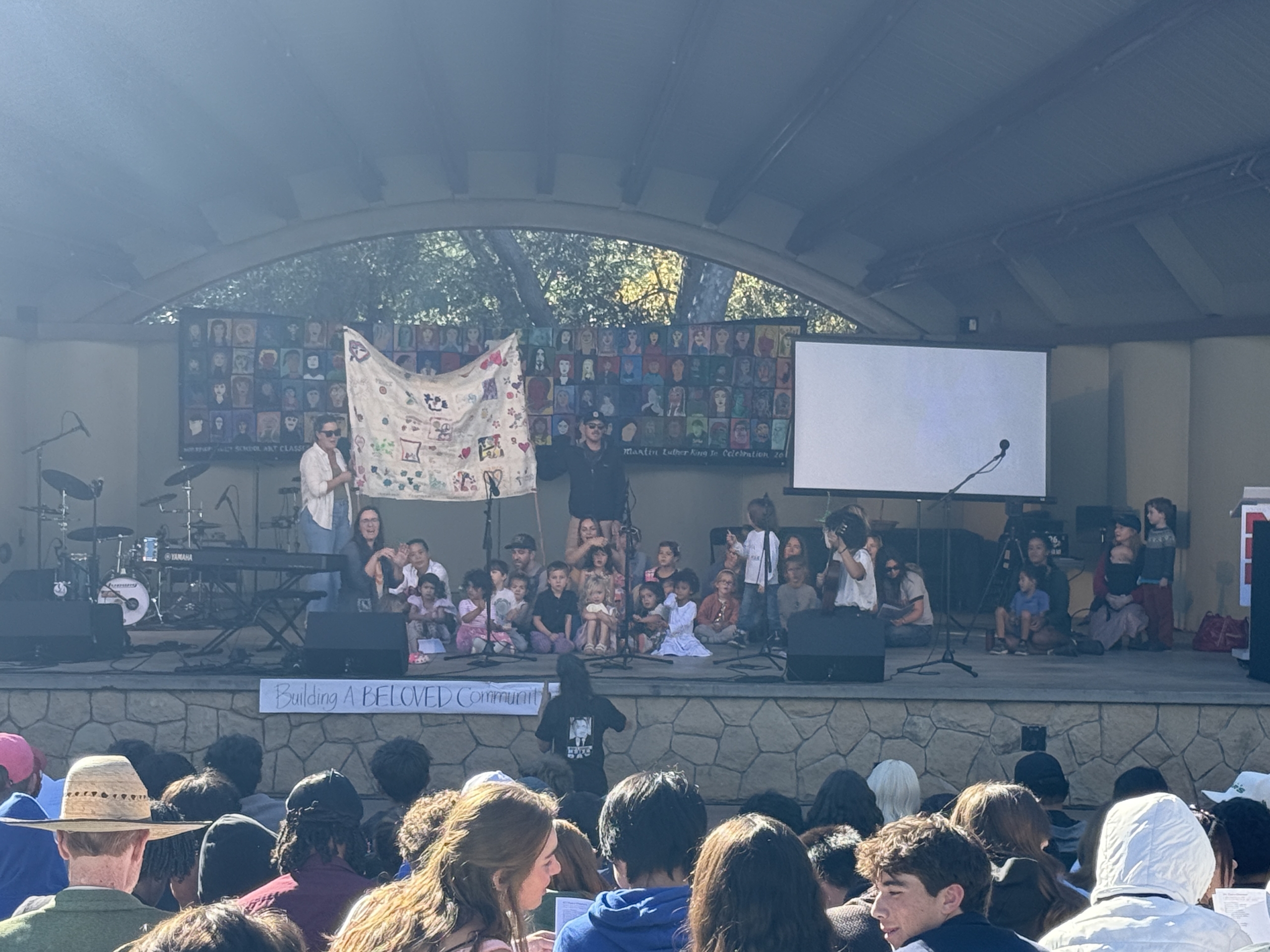
“Songs have accompanied every liberation movement in history,” said musician and activist Pete Seeger when talking about protest songs such as We Shall Overcome, “These songs will reaffirm your faith in the future of mankind.”

 https://ogs-main.s3.us-west-1.amazonaws.com/wp-content/uploads/hands-poster.jpg
1157
2000
Warren
https://ogs-main.s3.us-west-1.amazonaws.com/wp-content/uploads/Oak-Grove-School_50th-logo.png
Warren2026-01-29 16:02:242026-01-29 16:02:24Rooted in Dignity
https://ogs-main.s3.us-west-1.amazonaws.com/wp-content/uploads/hands-poster.jpg
1157
2000
Warren
https://ogs-main.s3.us-west-1.amazonaws.com/wp-content/uploads/Oak-Grove-School_50th-logo.png
Warren2026-01-29 16:02:242026-01-29 16:02:24Rooted in Dignity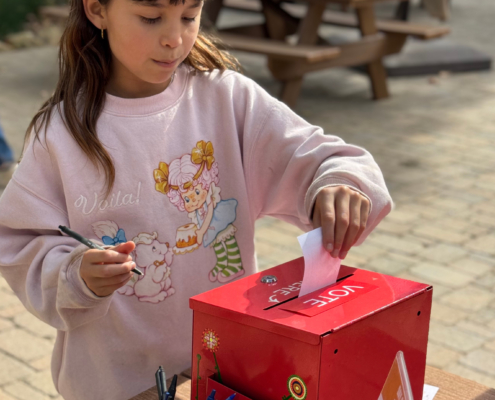 https://ogs-main.s3.us-west-1.amazonaws.com/wp-content/uploads/Day-of-Reading_sm5-scaled.jpg
2560
2560
Ollie
https://ogs-main.s3.us-west-1.amazonaws.com/wp-content/uploads/Oak-Grove-School_50th-logo.png
Ollie2026-01-27 21:43:062026-01-27 21:49:46Day of Reading Votes Raptor Center
https://ogs-main.s3.us-west-1.amazonaws.com/wp-content/uploads/Day-of-Reading_sm5-scaled.jpg
2560
2560
Ollie
https://ogs-main.s3.us-west-1.amazonaws.com/wp-content/uploads/Oak-Grove-School_50th-logo.png
Ollie2026-01-27 21:43:062026-01-27 21:49:46Day of Reading Votes Raptor Center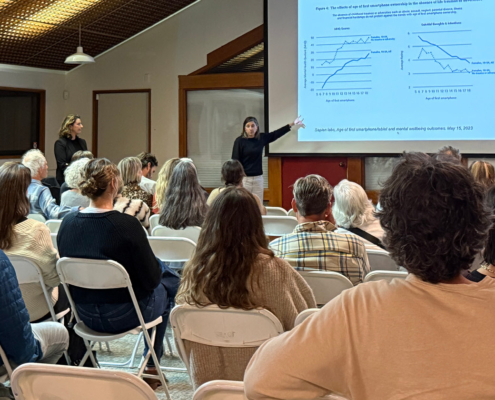 https://ogs-main.s3.us-west-1.amazonaws.com/wp-content/uploads/parent-education-data-dialogue4.jpg
840
2000
Ollie
https://ogs-main.s3.us-west-1.amazonaws.com/wp-content/uploads/Oak-Grove-School_50th-logo.png
Ollie2026-01-23 15:13:452026-01-30 14:47:23Parent Ed: Data to Dialogue
https://ogs-main.s3.us-west-1.amazonaws.com/wp-content/uploads/parent-education-data-dialogue4.jpg
840
2000
Ollie
https://ogs-main.s3.us-west-1.amazonaws.com/wp-content/uploads/Oak-Grove-School_50th-logo.png
Ollie2026-01-23 15:13:452026-01-30 14:47:23Parent Ed: Data to Dialogue


What began as a joyful day of delivering Singing Grams ❤️ 🎶 culminated in a spirited assembly celebrating our students and their efforts to raise funds for both Oak Grove and @ojairaptorcenter . Thank you, wholeheartedly, for supporting this year’s Day of Reading. Here’s to a restful break filled with great books and inspired reading! 🎉📚🎶❤️🦎🦎
#studentfundraiser #community #gratitude #dayofreading #loveofreading #reading #oakgroveschoolojai #ojaicalifornia

Three days to go to support Day of Reading! 📚🎉❤️
oakgroveschool.org/reading
Thanks to students for sharing about their love of reading! Friday is our special DAY OF READING and we`re looking forward to a cozy day of reading together and celebrating the success of our annual 2-week fundraiser supporting classroom teaching tools with 20% going to a local nonprofit. This year, students chose @ojairaptorcenter !
#DayofReading #inspiration #gratitude #studentfundraiser #readforfun #theartoflivingandlearning #oakgroveschoolojai #ojaicalifornia #prekthru12
Grateful for our recent alumni gatherings in San Francisco and Santa Cruz that included recent Oak Grove alumni studying biology and political science, and those beyond their college years, pursuing careers in law and technology. It was so wonderful to catch up, and even more, how they connected with each other and the depth of our conversations. A special thanks to Brett `96 for taking the time to share his work at Joby Aviation!
We love to hear from OGS alumni! Reconnect by visiting: oakgroveschool.org/alumni to update your contact info. ❤️🦎
@jobyaviation #ucberkeley #sanfranciscostate #ucsantacruz #alumni #humanity #community #sanfrancisco #SantaCruz
On Feb 13th students will spend the day in cozy pajamas reading books with friends and buddies! Until then, they`ll be FUNdraising for classroom teaching tools, with 20% of proceeds going to Ojai Raptor Center. Thanks to our amazing community for supporting students, the importance of reading and love of books, and an amazing Ojai non-profit organization. 🦎❤️📚🦅
oakgroveschool.org/READ
@ojairaptorcenter #studentfundraiser #TeachingTools #loveofreading #community #inspiration #oakgroveschoolojai