Service Learning
What Does It Mean to Be Part of a Community?
This year, as we explore The Living Movement of Relationship, that question “What does it mean to be part of a community?” feels especially relevant. Relationship is not something fixed. It is shaped by how we meet one another, how we respond to challenge, how closely we listen, and how willing we are to consider experiences beyond our own. It also includes our relationship to place, to the natural world, and to the larger communities of which we are a part.
What becomes possible when we recognize that we are not separate?
One question that has emerged in this work is: What becomes possible when we recognize that we are not separate?
That question sits at the heart of community service and service learning.
It can be easy to think of service as something we do for others. There is a need, and we step in to help. But being part of a community asks for something more. It asks us to pay attention to what is happening around us, to notice whose needs and experiences may be different from our own, and to consider what responsibility comes with belonging to something larger than ourselves.
That responsibility can take many forms. It can mean helping ensure that families have enough to eat, supporting elders in our community, restoring habitat, protecting species, or caring for the places we share. In each case, the work begins with recognizing that these concerns are not separate from us.
This year, we are deepening that work through new community partnerships with organizations including HELP of Ojai, The Topa Institute, and The Turtle Conservancy.
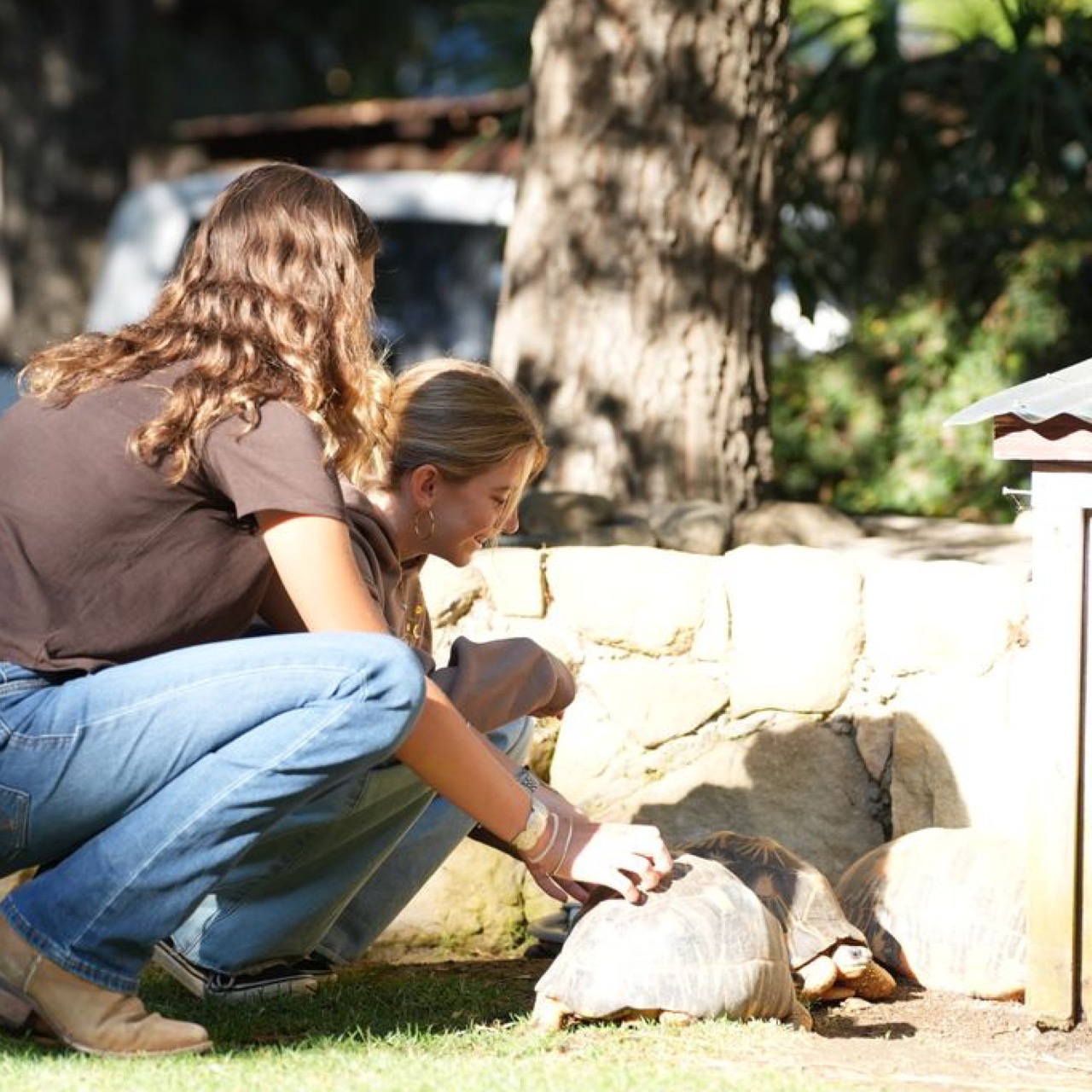
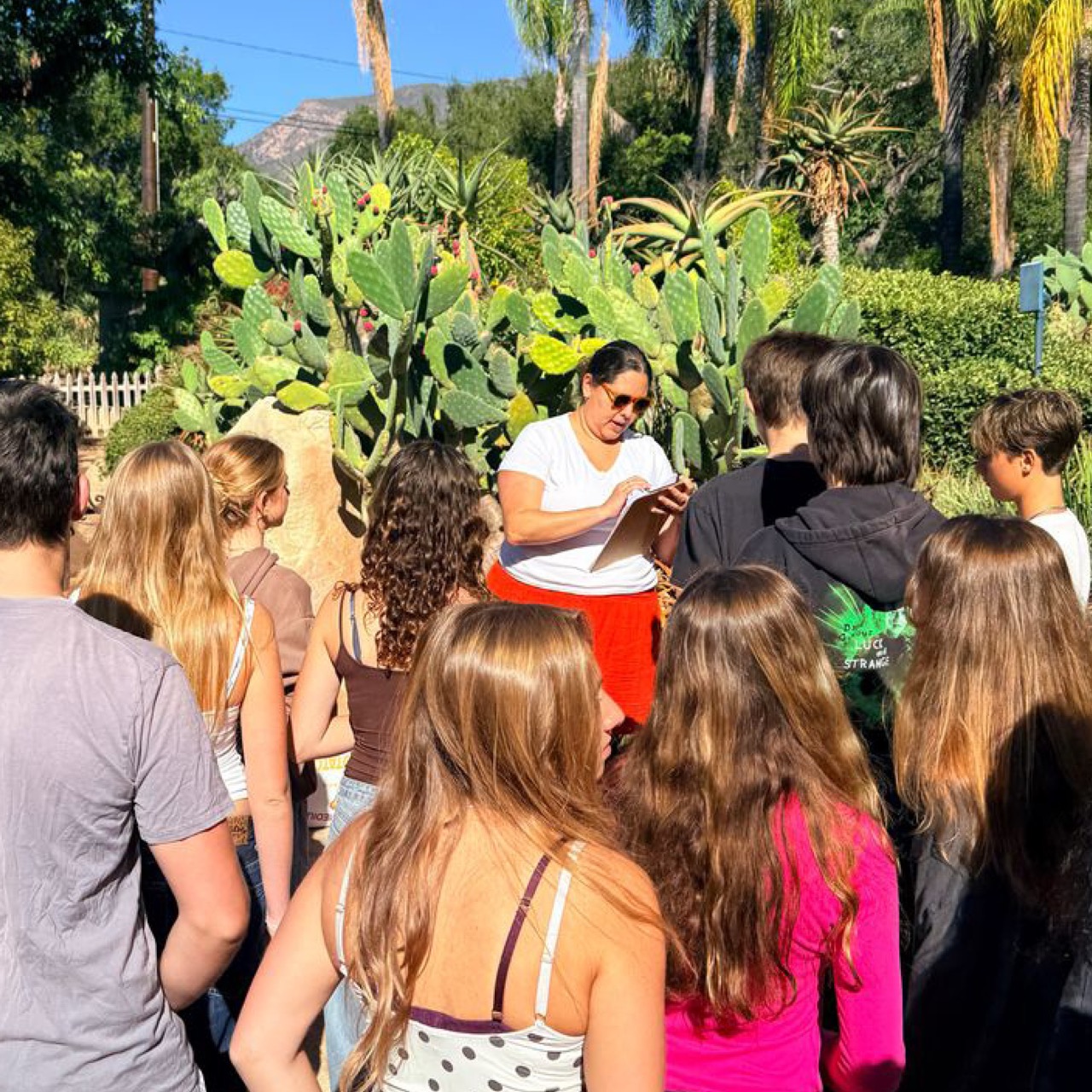
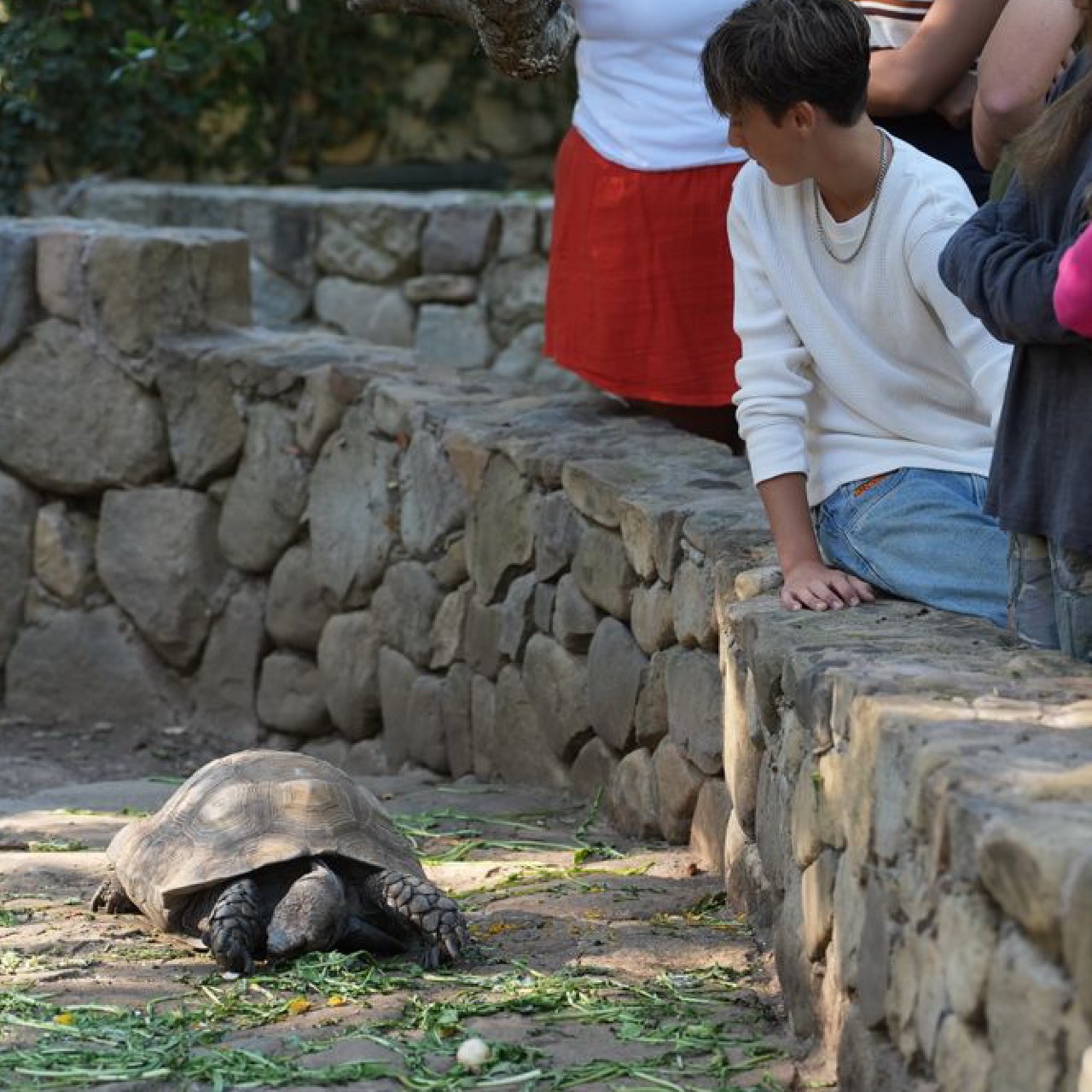
Photos: Turtle Conservancy, high school field studies
Across these partnerships, students will encounter very different expressions of what it means to care for a community. They may come face to face with food insecurity or the needs of older adults. They may participate in caring for land and restoring habitat. They may learn what it takes to protect threatened species and the ecosystems on which they depend.
What can I learn from the people and organizations already doing this work?
The work is different in each setting, but the underlying questions are connected. What is happening here? What can I learn from the people and organizations already doing this work? What am I receiving from this community or environment? What responsibility do I have in return?
That last question matters.
Service learning is not simply about arriving with an answer or assuming that we already know what another person, organization, or ecosystem needs. It is about entering into relationship with curiosity and humility. Students contribute their own time and energy, but they are also there to listen, learn, and encounter perspectives and experiences beyond their own.
There is reciprocity in that.
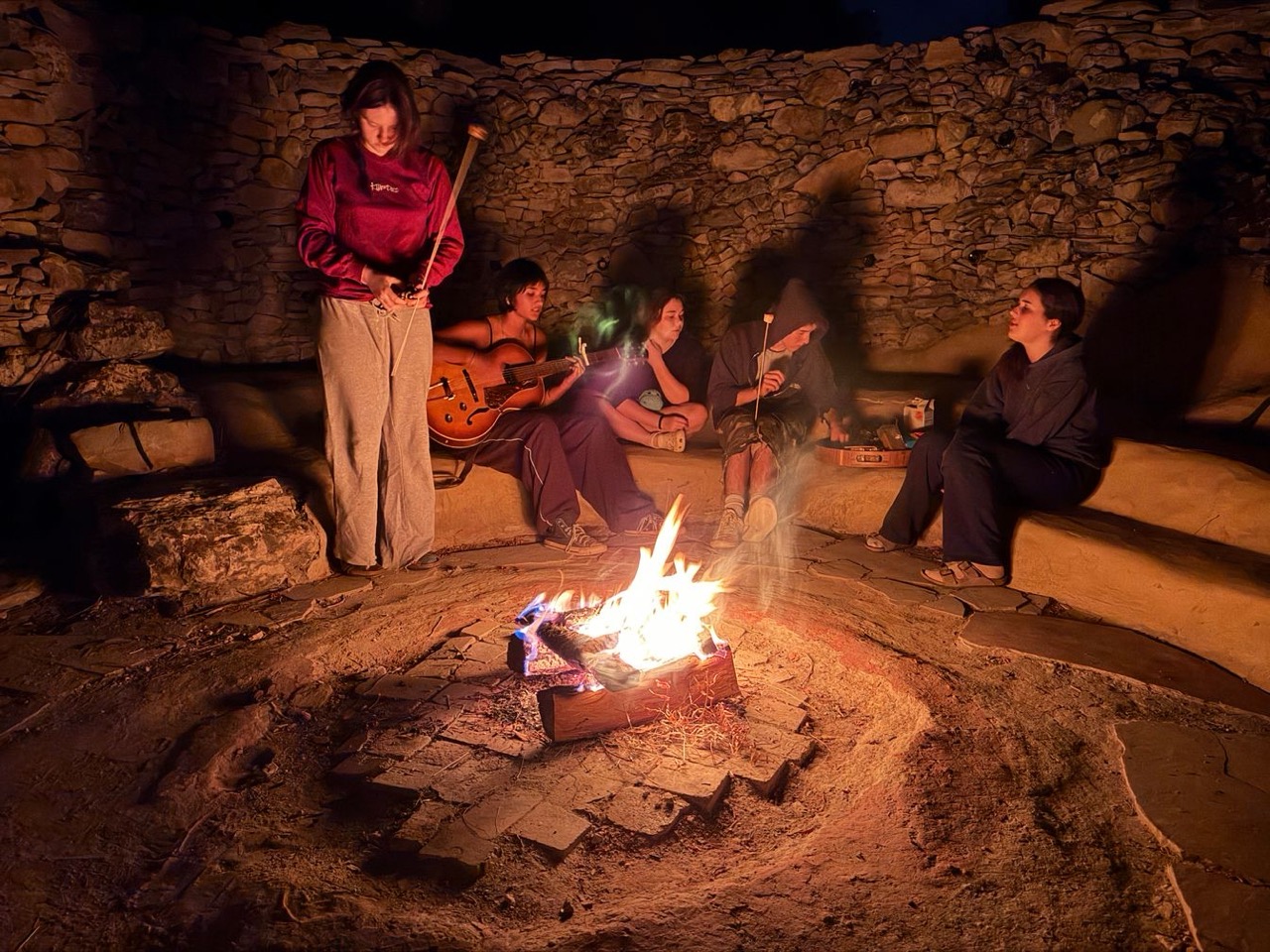
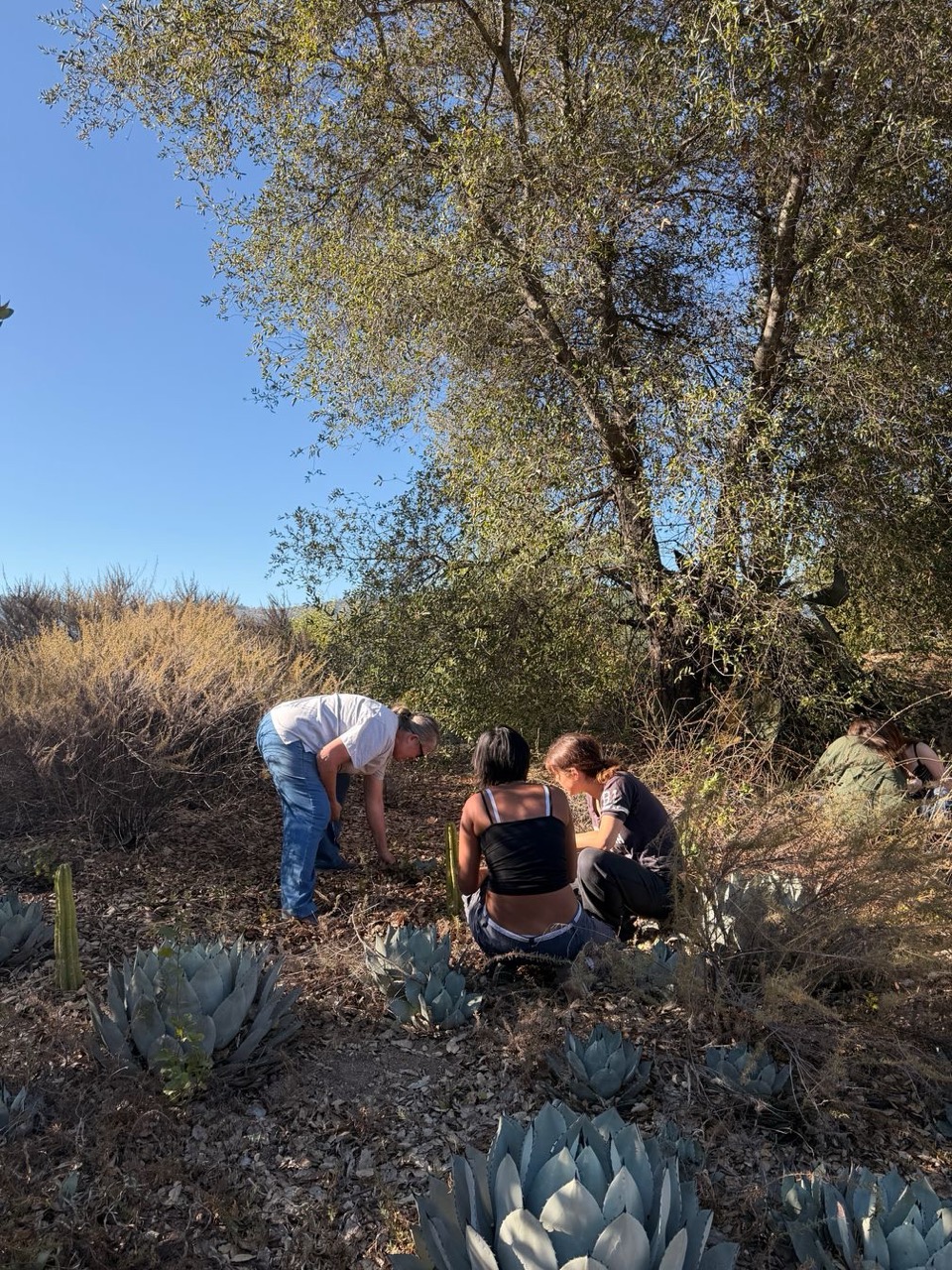
Photos: Topa Institute, senior retreat
None of us stands apart from the communities and environments that sustain us. We receive from the whole, and with that comes a responsibility to tend to the whole.
For students, service learning makes that idea tangible. They meet people whose experiences may be different from their own. They see the work local organizations are already doing. They begin to understand some of the complexity behind issues such as food insecurity, aging, habitat loss, and species conservation. And they have an opportunity to participate rather than simply observe.
We want students to become strong writers, mathematicians, scientists, artists, and thinkers. We also want them to move through the world with curiosity about the experiences of others and an awareness of the relationships that connect us to one another and to the places we inhabit.
Community service is one way of practicing that attention and responsibility.
Community service is one way of practicing that attention and responsibility.
It asks not only, “What can I do to help?” but also, “What am I connected to, and what does that connection ask of me?”
 https://d381ib15gv5oql.cloudfront.net/wp-content/uploads/High-School-Community-Agreement-Wordcloud.jpeg
960
1280
Ollie
https://d381ib15gv5oql.cloudfront.net/wp-content/uploads/Oak-Grove-School_logo.png
Ollie2026-09-28 12:54:562026-09-29 18:48:07Beginnings of Learning
https://d381ib15gv5oql.cloudfront.net/wp-content/uploads/High-School-Community-Agreement-Wordcloud.jpeg
960
1280
Ollie
https://d381ib15gv5oql.cloudfront.net/wp-content/uploads/Oak-Grove-School_logo.png
Ollie2026-09-28 12:54:562026-09-29 18:48:07Beginnings of Learning https://d381ib15gv5oql.cloudfront.net/wp-content/uploads/High-School-students-trail.jpeg
960
1280
Ollie
https://d381ib15gv5oql.cloudfront.net/wp-content/uploads/Oak-Grove-School_logo.png
Ollie2026-09-25 11:10:122026-09-29 11:12:26The Living Movement of Relationship
https://d381ib15gv5oql.cloudfront.net/wp-content/uploads/High-School-students-trail.jpeg
960
1280
Ollie
https://d381ib15gv5oql.cloudfront.net/wp-content/uploads/Oak-Grove-School_logo.png
Ollie2026-09-25 11:10:122026-09-29 11:12:26The Living Movement of Relationship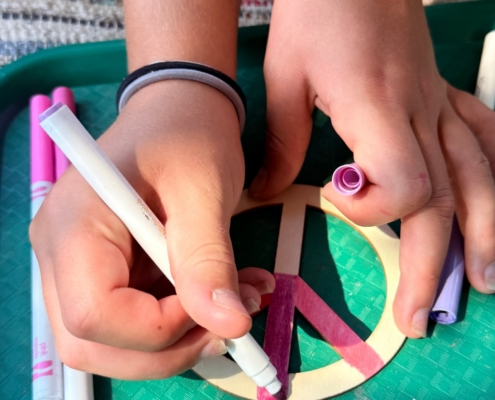 https://d381ib15gv5oql.cloudfront.net/wp-content/uploads/peace-week-oak-grove-school_202611-Large.jpeg
1280
1280
Ollie
https://d381ib15gv5oql.cloudfront.net/wp-content/uploads/Oak-Grove-School_logo.png
Ollie2026-09-23 15:49:222026-09-29 11:24:45Peace is Not the Absence of Conflict
https://d381ib15gv5oql.cloudfront.net/wp-content/uploads/peace-week-oak-grove-school_202611-Large.jpeg
1280
1280
Ollie
https://d381ib15gv5oql.cloudfront.net/wp-content/uploads/Oak-Grove-School_logo.png
Ollie2026-09-23 15:49:222026-09-29 11:24:45Peace is Not the Absence of Conflict


Join us for Open House on Saturday, November 7th, and enjoy campus tours, a complimentary vegetarian lunch, meetings with faculty in open classrooms, student exhibits, and live entertainment. Always such a joyful day filled with community spirit!
Please RSVP at: https://oakgroveschool.org/open-house/ (link in bio). See you here!
#theartoflivingandlearning #jkrishnamurti #oakgroveschoolojai

Our 9th-grade Environmental Science and 10th-grade Biology students headed into the field this week for the first visit in a new partnership with Ojai’s Turtle Conservancy. Through fieldwork, guest speakers, and classroom learning, students are excited to explore our local ecology while contributing to the Conservancy’s work through service learning. ❤️ 🐢
@turtleconservancy #highschoolojai #highschoolscience #turtleconservation #servicelearning #conservation #naturelovers
Oak Grove`s Cross Country team ran alongside @besanthillofficial @midland_school on a beautiful but hot day this week. Everyone showed up with perseverance and positivity. Thanks to students and coaches! ☀️
#crosscountry #highschoolojai #highschoolsports #teamspirit
Imagine Peace
#peaceweek #InternationalDayOfPeace #oakgroveschoolojai #humanity