Beginnings of Learning
Relationship, Responsibility, and a New Year

How do we want to live and learn together this year?
The beginning of a school year brings new classes and schedules, new students and teachers, and new routines to learn. Beneath all of that activity is another question: How do we want to live and learn together this year?
That question is an important one in a Krishnamurti school. Our founder was deeply interested in authority, relationship, freedom, and responsibility, and resisted the idea that education should simply produce conformity or obedience. That does not mean an absence of structure or clear boundaries. It does mean looking carefully at how a community creates expectations and how students come to understand their own responsibility within it.
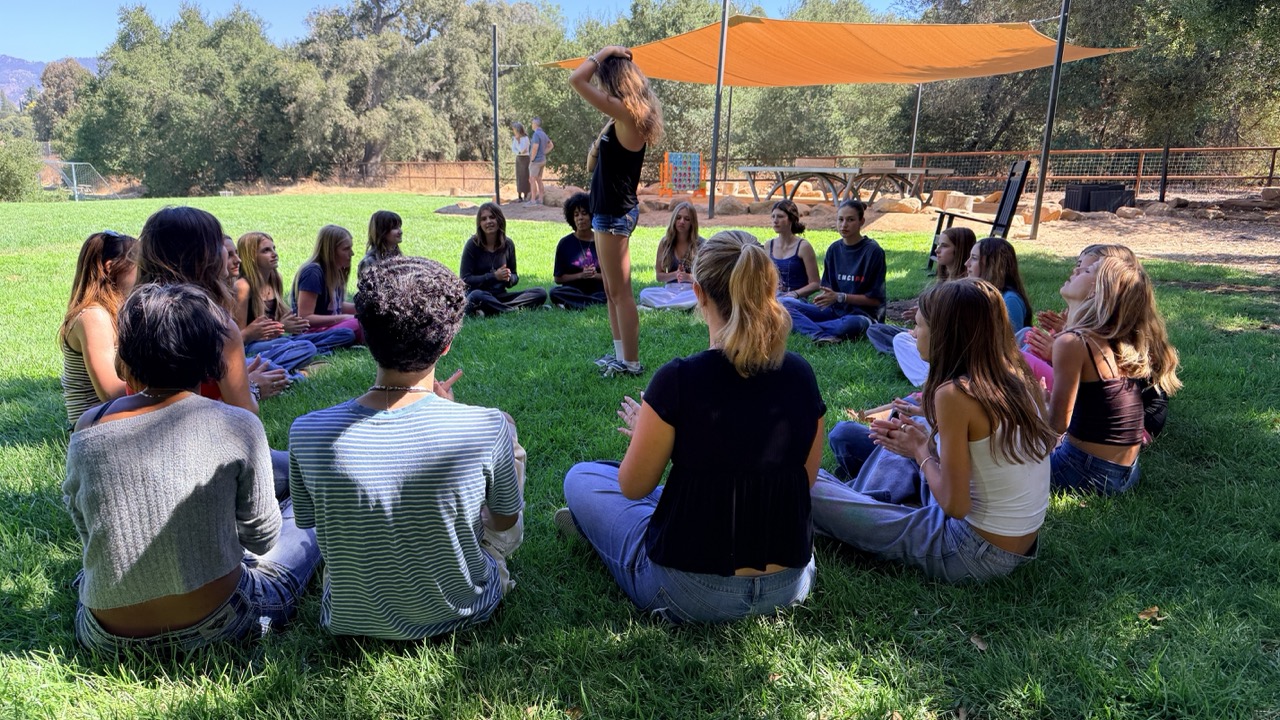
One way this takes shape at the beginning of every year is through classroom agreements. Rather than beginning only with rules handed down by adults, students and teachers spend time considering what they need from one another in order to learn well together. How do we want to be treated? How will we hold one another? What responsibility do I have for the environment we share?
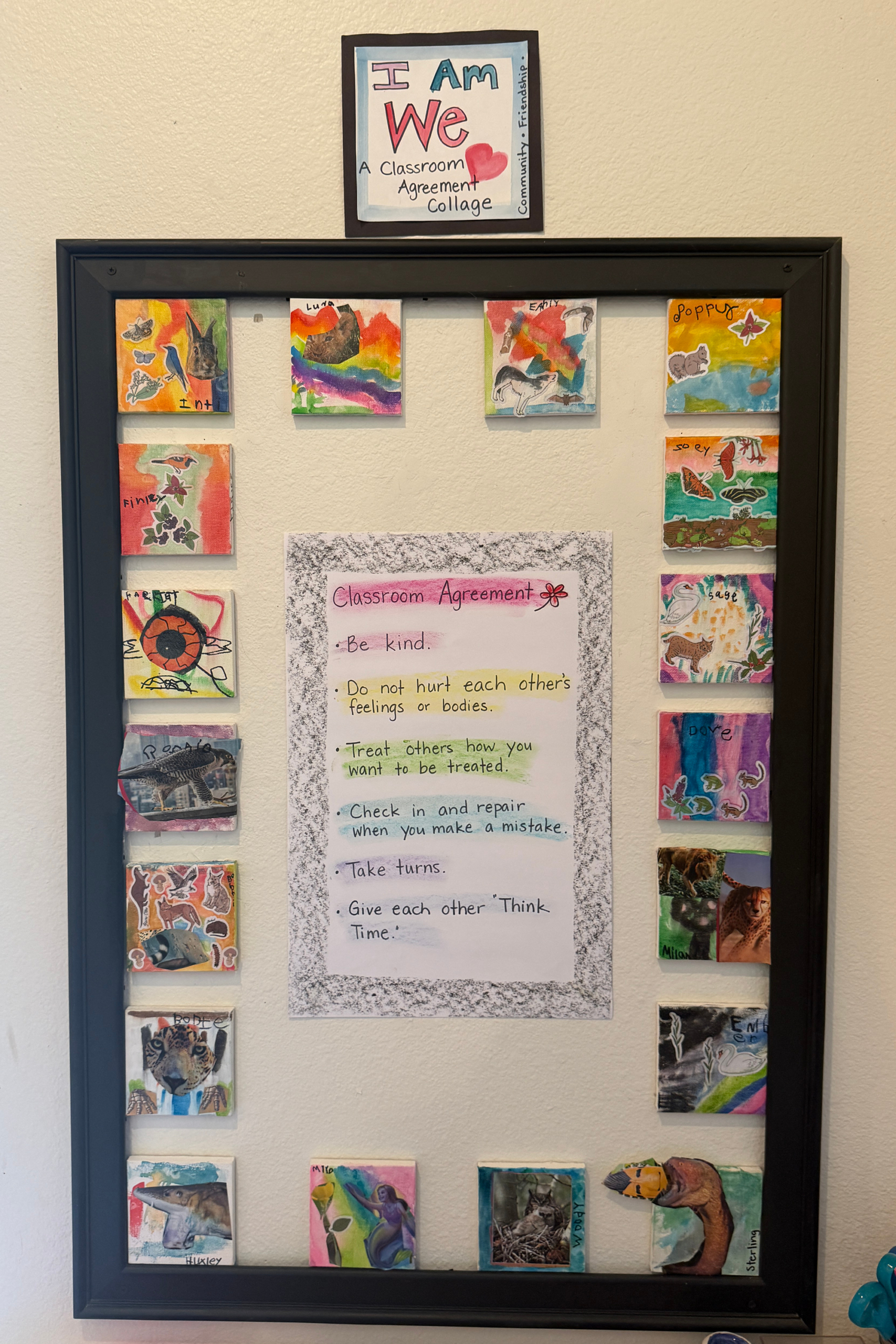
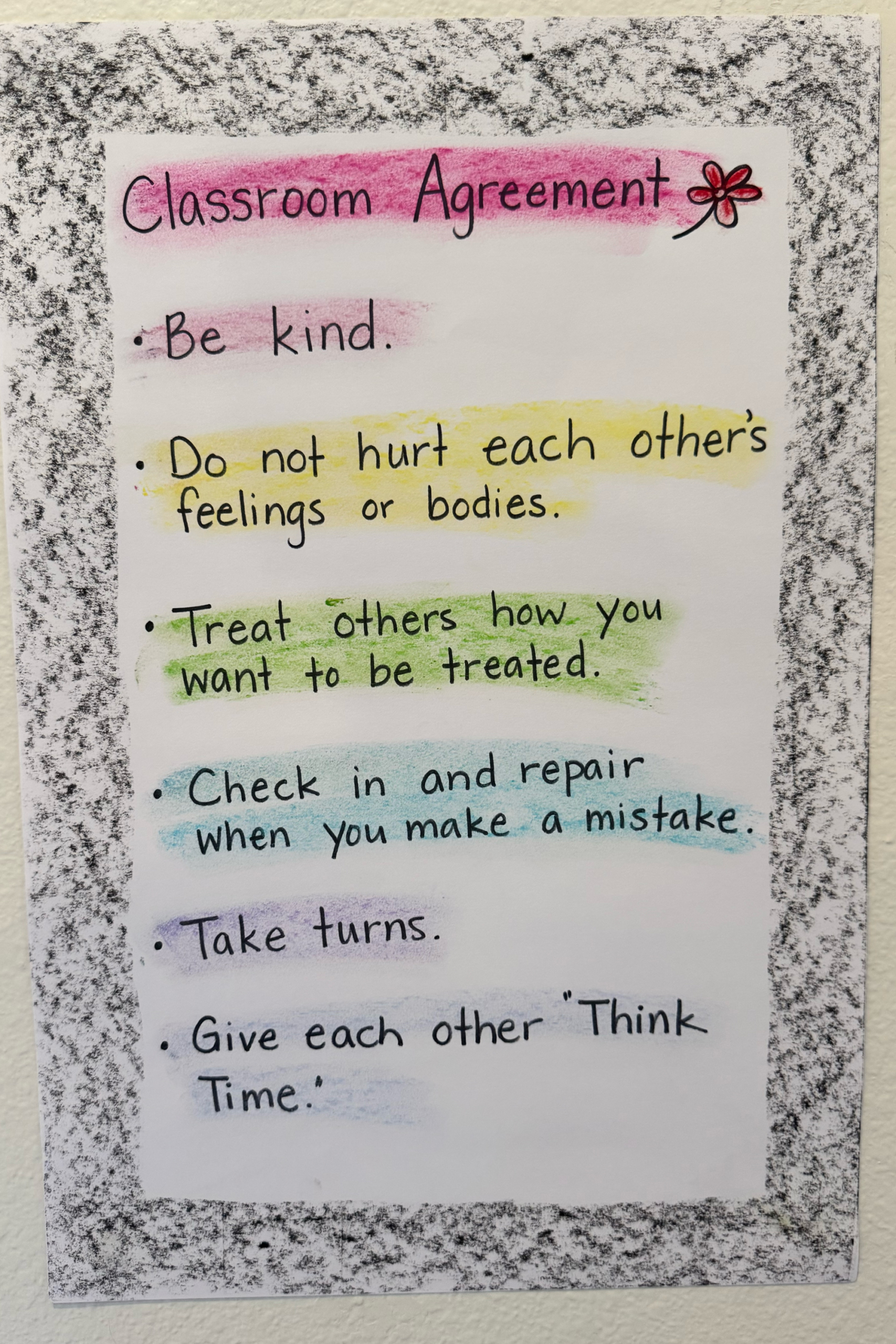
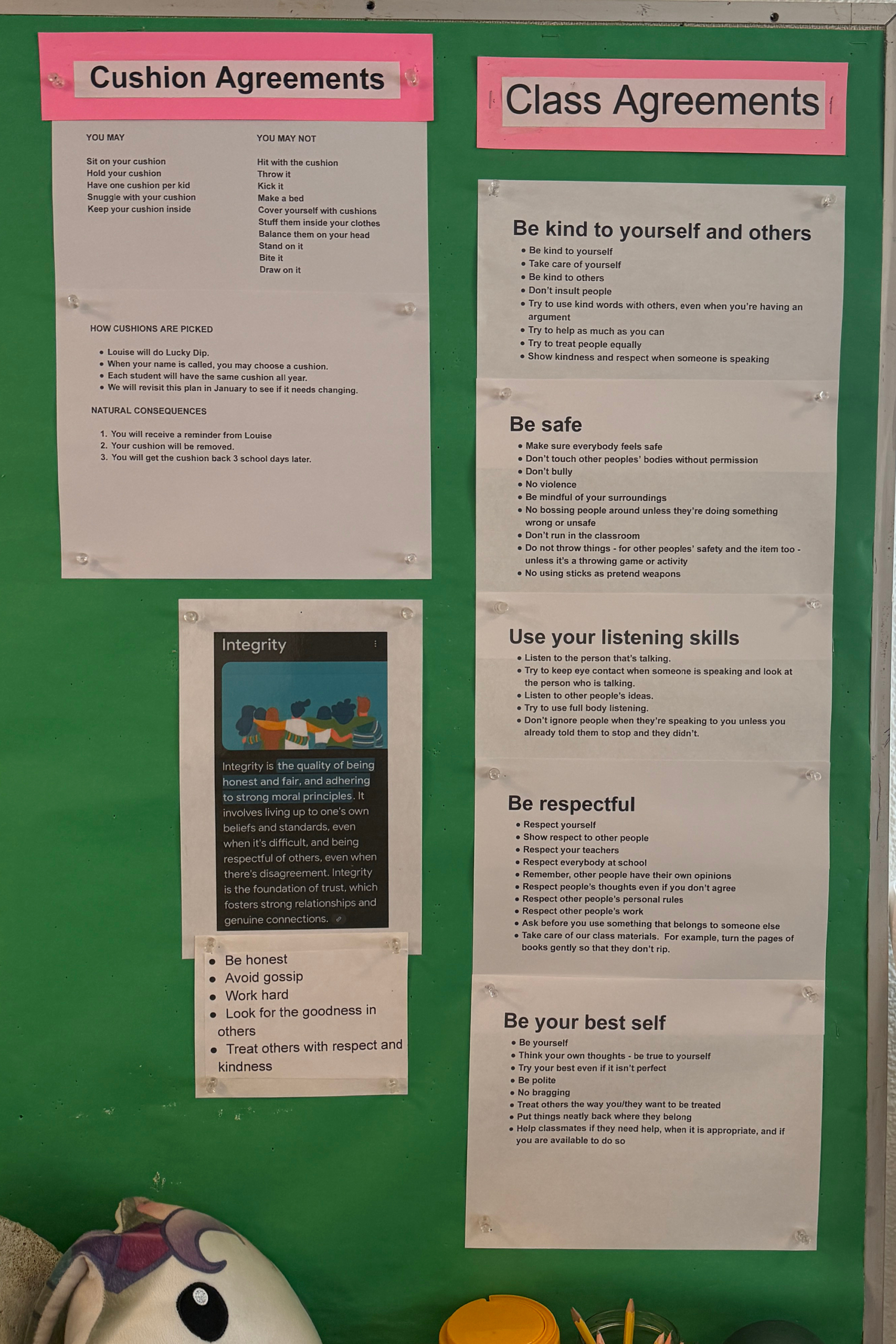
These agreements are meant to be returned to throughout the year, not created in September and forgotten. When something goes awry, there is a shared place to begin: What did we agree to? What happened? Who was affected? What responsibility do we have now?
In the High School this year, students began with three prompts: What are my hopes and dreams for this year? What do I need from my community to achieve them? What will I contribute to ensure that my peers and I can thrive?
Their responses included academic goals, friendship, confidence, creativity, balance, fun, and a desire to feel comfortable being themselves. When asked what they needed from the community, students returned again and again to support, kindness, patience, understanding, respect, openness, and belonging.
Just as importantly, the final question turned responsibility back toward them. Students wrote about listening, encouragement, inclusion, respecting others’ need to focus, keeping an open mind, offering support, bringing humor and positive energy, and holding themselves accountable.
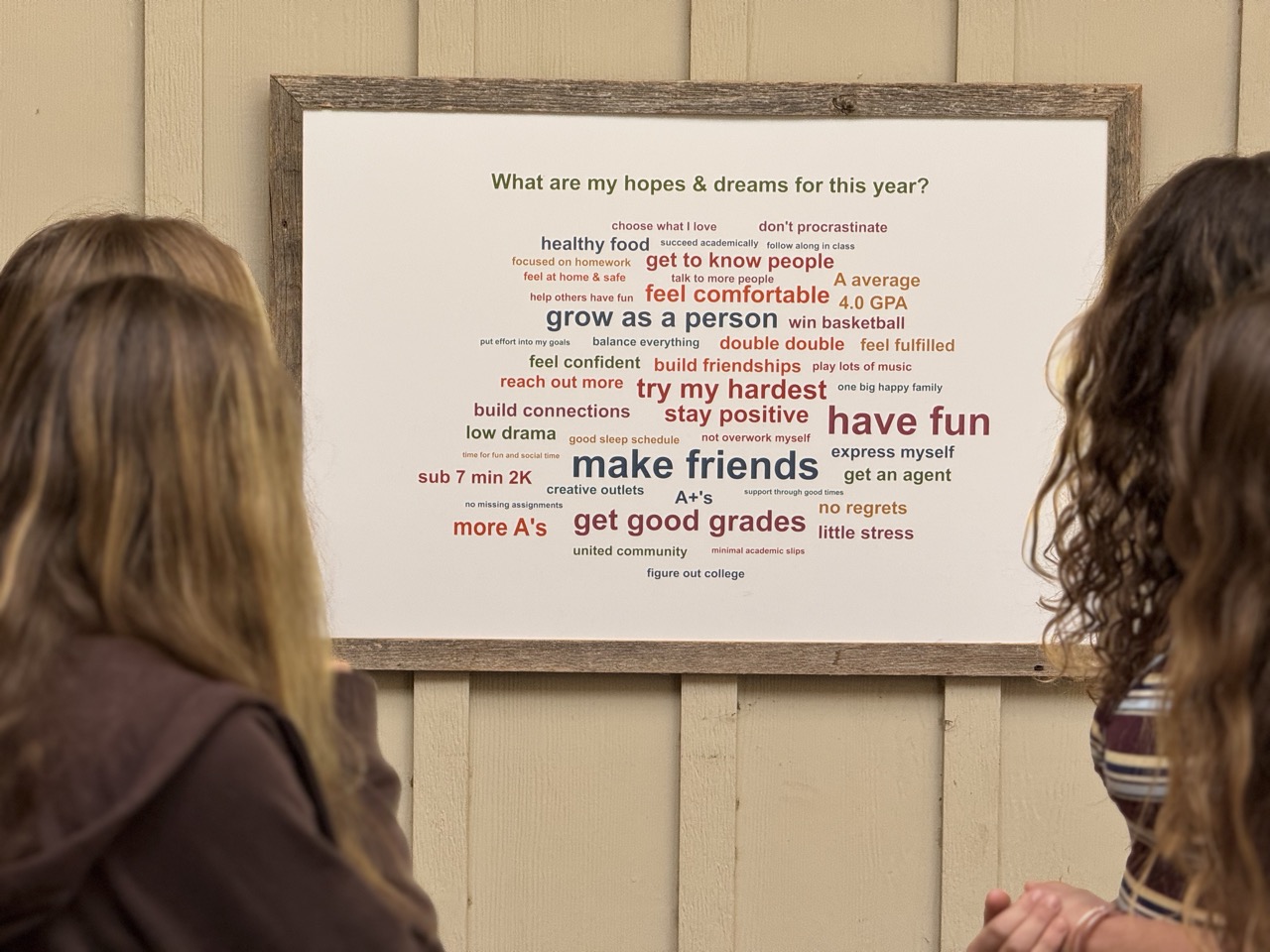
Those responses were turned into word clouds that now hang in the High School atrium, offering a visible reminder of what students said they need from one another and what they are willing to contribute in return.
The same intentionality shapes other parts of the opening weeks. Middle and High School students each spend four days camping at the beach, creating time for new students to become part of the group and for students and teachers to build relationships outside the usual rhythms of the classroom. Shared experiences, conversations, meals, games, and time outdoors all become part of creating the community they will return to on campus.
Families are brought into that beginning as well. Every parenting adult is asked to attend a class meeting and Back-to-School Night, creating an opportunity for relationships between families and teachers to begin before there is a concern to address or a difficult conversation to have.
Teachers also write Letters of Intent to share with families. The letters offer a window into how each teacher is approaching the year: what they value, what they hope to explore with students, and the intentions they bring to their work and relationships.
“Our classroom will be a place where we discover our common ground and grow to understand and celebrate our differences.”
– Excerpt from the 1st Grade Letter of Intent
These practices are different expressions of a similar idea. We build relationships before we need to repair them. We talk about responsibility before something has gone wrong. We ask students not only what they need from their community, but what they will contribute to it. We create connections between families and teachers before the year becomes busy.
None of this is meant to create a year without conflict or difficulty. Agreements will be tested, people will make mistakes, and relationships will sometimes become complicated. The point is to begin with a foundation sturdy enough to return to.
When things become difficult, we can ask: What did we say mattered to us? What did we agree we needed from one another? What is my responsibility in this moment? What needs attention, repair, or a different response?
The way we begin becomes part of the learning itself.
 https://d381ib15gv5oql.cloudfront.net/wp-content/uploads/Fundraising-Tea-2026-video.jpg
717
1280
Ollie
https://d381ib15gv5oql.cloudfront.net/wp-content/uploads/Oak-Grove-School_logo.png
Ollie2026-10-11 10:49:532026-10-19 10:56:43Annual Fundraising Tea
https://d381ib15gv5oql.cloudfront.net/wp-content/uploads/Fundraising-Tea-2026-video.jpg
717
1280
Ollie
https://d381ib15gv5oql.cloudfront.net/wp-content/uploads/Oak-Grove-School_logo.png
Ollie2026-10-11 10:49:532026-10-19 10:56:43Annual Fundraising Tea https://d381ib15gv5oql.cloudfront.net/wp-content/uploads/High-School-students-trail.jpeg
960
1280
Ollie
https://d381ib15gv5oql.cloudfront.net/wp-content/uploads/Oak-Grove-School_logo.png
Ollie2026-09-25 11:10:122026-09-29 11:12:26The Living Movement of Relationship
https://d381ib15gv5oql.cloudfront.net/wp-content/uploads/High-School-students-trail.jpeg
960
1280
Ollie
https://d381ib15gv5oql.cloudfront.net/wp-content/uploads/Oak-Grove-School_logo.png
Ollie2026-09-25 11:10:122026-09-29 11:12:26The Living Movement of Relationship https://d381ib15gv5oql.cloudfront.net/wp-content/uploads/peace-week-oak-grove-school_202611-Large.jpeg
1280
1280
Ollie
https://d381ib15gv5oql.cloudfront.net/wp-content/uploads/Oak-Grove-School_logo.png
Ollie2026-09-23 15:49:222026-09-29 11:24:45Peace is Not the Absence of Conflict
https://d381ib15gv5oql.cloudfront.net/wp-content/uploads/peace-week-oak-grove-school_202611-Large.jpeg
1280
1280
Ollie
https://d381ib15gv5oql.cloudfront.net/wp-content/uploads/Oak-Grove-School_logo.png
Ollie2026-09-23 15:49:222026-09-29 11:24:45Peace is Not the Absence of Conflict


The Lizards are headed to the CIF playoffs! 🦎🏐
After winning the Condor League, the Oak Grove Girls Volleyball team will travel to Irvine this Wednesday for a 5 pm playoff match vs TVT Community Day School.
If you’re in the area or up for making the drive, come help us cheer on the Lizards!
#bumpsetspike #theartoflivingandlearning #oakgroveschoolojai #jkrishnamurti

Join us for Open House on Saturday, November 7th, and enjoy campus tours, a complimentary vegetarian lunch, meetings with faculty in open classrooms, student exhibits, and live entertainment. Always such a joyful day filled with community spirit!
Please RSVP at: https://oakgroveschool.org/open-house/ (link in bio). See you here!
#theartoflivingandlearning #jkrishnamurti #oakgroveschoolojai
Our 9th-grade Environmental Science and 10th-grade Biology students headed into the field this week for the first visit in a new partnership with Ojai’s Turtle Conservancy. Through fieldwork, guest speakers, and classroom learning, students are excited to explore our local ecology while contributing to the Conservancy’s work through service learning. ❤️ 🐢
@turtleconservancy #highschoolojai #highschoolscience #turtleconservation #servicelearning #conservation #naturelovers
Oak Grove`s Cross Country team ran alongside @besanthillofficial @midland_school on a beautiful but hot day this week. Everyone showed up with perseverance and positivity. Thanks to students and coaches! ☀️
#crosscountry #highschoolojai #highschoolsports #teamspirit